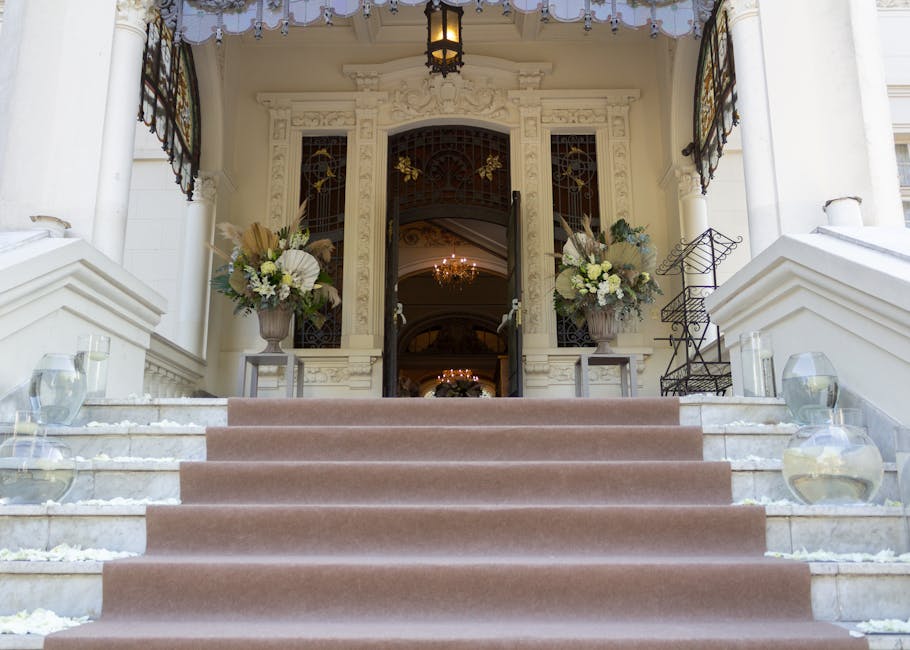
What to Do With Large Floral Waste After a London Event
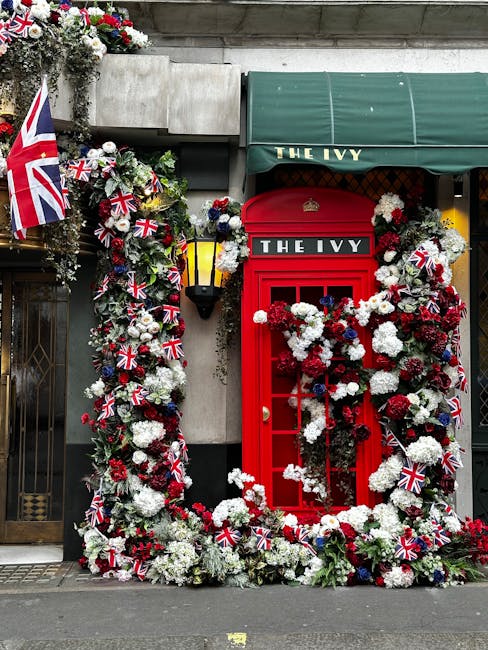
Large floral installations can transform a London event in minutes. They make a room feel alive, soften hard architecture, and give guests that little "wow" moment as soon as they walk in. But once the lights are off and the last glass is cleared, you are left with a very practical question: what to do with large floral waste after a London event?
Truth be told, it is rarely just a bin issue. You may have hundreds of stems, soaked foam, ribbon, packaging, broken mechanics, and blooms that still have some life in them. The right plan saves time, reduces mess, supports sustainability goals, and avoids awkward end-of-event chaos. It also helps you treat flowers like a resource, not just waste. In this guide, we will walk through the smartest ways to handle post-event floral waste in London, from reuse and donation to recycling and disposal, with the kind of detail event teams actually need.
Why What to Do With Large Floral Waste After a London Event Matters
At first glance, floral waste looks simple. Flowers are organic, so surely they can just be collected and removed. But event-scale floral waste is a mixed material problem, not a single waste stream. A large display often includes fresh stems, greenery, water, buckets, bio-foam, wire, tape, cellophane, cards, plastic sleeves, candles, and sometimes hard structures too. That mixture changes everything.
In London, where events are often built on tight timelines, shared venues, limited loading access, and sustainability expectations, poor floral waste handling can create real friction. Staff end up rushing. Floors get slippery. Back-of-house areas become cluttered. And if you are trying to deliver a lower-waste event, the aftercare can undo all that good work in one sweep.
There is also a brand point here. Guests notice the details. Event planners notice them too. If the build looks beautiful but the breakdown is messy, it leaves a different kind of impression. A calm, organised plan for post-event flower disposal or reuse gives the whole event a more professional finish. It is a small thing, but then again, so are the best things sometimes.
For corporate events, launches, weddings, hospitality activations, and venue styling, a thoughtful floral exit strategy can also support your wider procurement decisions. If your team already works with suppliers that value care and consistency, that mindset should continue after the event as well. You can see that approach reflected in pages like sustainability and flower care, which are useful reminders that the lifespan of flowers does not end the moment the event does.
Expert takeaway: the best floral waste plan is not the one that removes everything fastest. It is the one that separates what can be reused, what can be composted, and what truly needs disposal, without creating stress for the venue or the team.
How What to Do With Large Floral Waste After a London Event Works
The process starts before breakdown, not after. That is where many teams trip up. If you know in advance how the flowers were installed, what materials were used, and who is responsible for collection, you can save a lot of time later. In our experience, the cleanest handovers come from events where the florist, planner, and venue have agreed a breakdown plan before the first stem goes into place.
At a practical level, the flow usually looks like this:
- Sort the floral elements into reusable, recyclable, compostable, and general waste categories.
- Remove non-organic materials such as tape, wire, foam, ribbon, tags, and plastic packaging.
- Decide whether blooms can be donated, repurposed, redistributed, or composted.
- Package the waste safely for collection or onward handling.
- Arrange removal in line with venue access, storage, and local waste service requirements.
The exact route depends on the event type. A wedding at a hotel in central London might prioritise donation and decoration repurposing. A corporate launch may want the fastest possible clearance with minimal staff disruption. A brand activation may need a tidy, documented breakdown because the whole project was built around environmental messaging. Different goals, different methods.
One detail that often gets overlooked: water. Large floral installations can leave behind buckets, soaked foam, wet moss, and damp cardboard. Once water is involved, things become heavier and messier than people expect. It is worth building a drainage-safe, spill-safe breakdown process from the start. Nobody wants a slippy service corridor at 11:30 pm. Not fun, not glamorous, not worth it.
If the event was tied to a broader floral supply or client account structure, pages such as corporate accounts can be relevant for understanding how recurring business relationships often benefit from more organised planning, consistent service expectations, and simpler after-event handling.
Key Benefits and Practical Advantages
Getting floral waste right after an event has a few immediate benefits, and a few less obvious ones too.
- Cleaner venue handover: less clutter, fewer spill risks, and a faster reset for the next booking.
- Lower waste volume: by separating reusable flowers and materials, you reduce what goes into general waste.
- Better sustainability outcomes: composting, donation, and reuse are easier when handled properly.
- Reduced labour pressure: the breakdown team works faster when they are not improvising under pressure.
- Improved client experience: it reflects well on the organiser when the end of the event is handled as carefully as the start.
- More value from the floral budget: repurposed flowers can sometimes be moved to another space, sent home with guests, or used for smaller arrangements.
There is also a reputational benefit, especially in London where many clients now expect some kind of sustainability thinking. You do not need to make dramatic claims to show good practice. Sometimes the simple act of separating reusable blooms from genuine waste is enough to demonstrate care and common sense.
And yes, it can even make financial sense. Less waste, fewer emergency collections, less damage risk, less last-minute panic. That is usually a good trade. If you have ever watched a team trying to drag a giant flower arch through a narrow service lift, you already know why planning matters.
Who This Is For and When It Makes Sense
This topic matters to anyone managing large-scale flowers at an event, but a few groups feel the pain more than others.
Event planners and producers
If you are responsible for the overall event delivery, floral breakdown is part of the close-out process. It affects timing, staffing, venue compliance, and the client handover. For planners, the best approach is to treat floral waste as a managed deliverable, not an afterthought.
Florists and floral designers
Florists often know exactly which stems can be salvaged and which mechanics need special handling. They are also usually best placed to advise on reuse options. A skilled florist can help extend the life of good material and reduce waste without compromising presentation.
Venues and hospitality teams
Venues want quick, safe, tidy removal. That means understanding loading access, storage rules, disposal routes, and any restrictions around wet waste or bulky items. If you manage a venue, having a simple policy for floral take-down can save a lot of hassle later.
Corporate teams and brands
For launches, conferences, press events, and client evenings, floral waste is often part of a wider sustainability story. You want the event to feel polished, of course, but you also want your end-of-event process to look considered. That is where thoughtful handling earns its keep.
Wedding couples and private hosts
For weddings, flowers can hold emotional value. Some people want to keep centrepieces, give blooms to guests, or arrange for charitable redistribution. Others just want the room cleared before breakfast the next day. Both are valid. The key is deciding early rather than trying to invent a plan while the music is still fading.
Step-by-Step Guidance
If you want a practical way forward, use this order. It keeps things calm and avoids the "we'll figure it out later" trap, which, let's be honest, is where the mess usually begins.
1. Identify what you are dealing with
Make a quick list of the materials used in the floral build. Are there fresh stems only, or are there also wires, trays, foam, plastic wraps, vases, moss, candle holders, or structural elements? A flower wall is a very different beast from a collection of table arrangements.
2. Separate reusable blooms and materials
Some flowers will still be in good condition after the event, especially if they were kept cool and hydrated. These can often be reused in smaller arrangements, given to guests, or moved to another location. Decorative vessels and mechanics may also be reusable if they are intact and clean.
3. Strip out non-organic components
This step takes patience, but it matters. Remove tape, ribbon, plastic sleeves, wire, clips, foam, labels, and any mixed-material packaging. The cleaner the separation, the easier the next step becomes. It is fiddly work, yes. Still worth it.
4. Decide on the best end route
Choose the most sensible option for each category of material:
- Reuse: move healthy blooms into smaller arrangements or gift them.
- Donation: if condition and timing allow, redirect flowers to a suitable recipient.
- Composting: use for organic waste streams where appropriate.
- General waste: only for the parts that cannot be diverted safely or practically.
5. Arrange collection or drop-off
If the waste is large or mixed, collection logistics matter. Factor in vehicle access, lift size, loading restrictions, and when the venue allows removal. For some teams, the difference between a smooth exit and a stressful one is simply whether the collection vehicle can stop close enough.
6. Record what happened
This does not need to be complicated. A short note on what was reused, donated, composted, or discarded helps with future planning. Over time, those notes become very useful. You start seeing patterns, like which installations leave the most waste and which design choices reduce it.
If you need a wider sense of service expectations, delivery timing, or how flower handling is often organised by suppliers, pages such as delivery can help frame the practical side of logistics.
Expert Tips for Better Results
A few small decisions make a surprisingly big difference.
- Design for breakdown as well as build. If a display can be dismantled in sections, the waste stream is much easier to manage.
- Use fewer mixed materials where possible. The more a design relies on tape, foam, and plastic ties, the harder it is to separate later.
- Keep wet waste away from dry waste. A few soaked stems can ruin cardboard and make recycling impossible.
- Label storage crates clearly. One crate for reusable vessels, one for organic waste, one for mixed materials. Simple, but effective.
- Plan the collection window early. Loading docks and venue access in London are often tighter than people think.
- Preserve the most valuable stems first. If a floral arrangement has hero blooms, those should be sorted before the less salvageable material.
Another thing: communicate with the venue team in plain English. No jargon needed. Just say what is coming, what needs separating, and who is responsible for what. It sounds obvious, but in a noisy end-of-event environment, obvious things get missed all the time.
There is also a sustainability-minded mindset that helps a lot. The right question is not just "how do we get rid of this?" but "what can still be used?" That shift changes the whole process. If your supplier talks about responsible sourcing, that ethos often continues into the end-of-life handling too, which is why pages like sustainability can be a useful reference point for clients who care about the full cycle.
Common Mistakes to Avoid
Most problems with large floral waste come from rushing, not from bad intentions. The good news? They are easy enough to prevent once you know where the traps are.
Leaving the breakdown plan until the end
This is the big one. If nobody knows whether flowers will be reused, donated, or cleared as waste, the team ends up improvising under pressure. That is how beautiful arrangements turn into a last-minute mess.
Mixing organic waste with packaging
Once fresh flowers are thrown in with plastic wrap, foam, wire, and food waste, the whole batch becomes harder to handle. Separation is tedious. Mixed waste is worse.
Ignoring the venue's rules
Some venues have strict loading times, service access rules, or waste handling preferences. If you ignore those, your neat plan can unravel fast. Better to check early and keep everyone aligned.
Overlooking water damage
Wet floral waste can stain carpets, leak into lift areas, and make floors slippery. Dry down buckets and pack carefully. A few towels and sturdy crates can save a headache.
Assuming donation is always possible
Donation can be a lovely option, but it is not automatic. Timing, condition, transport, and recipient availability all matter. Sometimes the flowers are simply too tired. That is normal.
Forgetting about labour
Large-scale breakdown takes people. It is not just a bin bag job. If you underestimate the time, staff end up staying late, which nobody enjoys after a long event shift.
Tools, Resources and Recommendations
You do not need a huge kit, but the right basics make the work far easier.
| Tool or item | Why it helps | Best use |
|---|---|---|
| Crates or sturdy tubs | They protect reusable flowers and stop crushing | Transporting sorted stems and vessels |
| Heavy-duty waste sacks | Useful for organic waste once materials are separated | Collecting non-reusable floral remains |
| Gloves | Protects hands from thorns, wire, damp debris, and tape | Sorting and dismantling installations |
| Towels or absorbent cloths | Helps with spills and wet mechanics | Back-of-house cleanup and bucket handling |
| Labelled containers | Makes separation much faster | Reuse, compost, and mixed waste sorting |
| Secateurs or floral snips | Speeds up dismantling and stem trimming | Removing tired blooms for reuse or disposal |
Useful recommendation? Keep a simple floral waste kit ready in advance if you manage recurring events. A few crates, gloves, labels, and a decent set of snips can save a lot of stress. It is not glamorous kit, admittedly, but it earns its place.
For businesses that regularly manage floral orders, service quality and aftercare are often easier to coordinate when expectations are clear from the start. You may find it useful to review guarantees and returns and refund if you want a better sense of how service, quality, and issue-handling are framed.
Law, Compliance, Standards, or Best Practice
This is one of those areas where caution is sensible. Floral waste handling in London can touch venue rules, waste carrier arrangements, food hygiene zones, transport safety, and general environmental expectations. The exact obligations will depend on the setting, the waste type, and who is removing it.
In general, best practice includes:
- keeping waste streams separated where possible,
- making sure wet and dry materials are handled safely,
- using a responsible waste route for anything that cannot be reused,
- following venue procedures for loading, collection, and storage,
- ensuring staff understand who owns the waste at each stage.
If your event is in a commercial venue, it is sensible to confirm in advance whether floral waste can be left on-site for venue collection or must be removed by the organiser. London venues often vary quite a lot here. One hotel may have a neat back-of-house process. Another may expect everything out before a strict deadline. No surprises is the goal.
Where sustainability claims are involved, keep them grounded in real practice. Avoid broad statements like "zero waste" unless you can support them. Better to say you reused arrangements, separated organics, and reduced mixed waste. That is honest, credible, and far more useful.
For anyone managing contracts, commercial terms, or recurring floral supply relationships, it is also worth understanding the practical side of ordering and fulfilment through pages like terms and conditions and payment, especially if your event planning sits inside a wider supplier relationship.
Options, Methods, or Comparison Table
There is no single right answer for every event. The right route depends on flower condition, timeline, access, and the sustainability goals for the project. Here is a simple comparison.
| Option | Best for | Pros | Trade-offs |
|---|---|---|---|
| Reuse | Fresh stems, intact vessels, reusable mechanics | Extends value, reduces waste, can support gifting or secondary styling | Needs quick sorting and good condition |
| Donation | Flowers still in usable condition with a clear recipient | Creates goodwill and avoids disposal | Relies on timing, transport, and acceptance |
| Composting | Organic materials without heavy contamination | Supports responsible organic waste handling | Requires separation from plastics, foam, and mixed waste |
| General waste | Contaminated or non-recoverable materials | Simple fallback when other routes are not practical | Least sustainable option and can be costly if overused |
Most real events use a combination of the above. That is completely normal. A few showpiece roses might be reused, the greenery composted, the foam disposed of, and the packaging recycled or removed separately. A mixed strategy is often the sensible one.
Case Study or Real-World Example
Imagine a Thursday evening product launch in central London. The venue has a long reception table with low arrangements, two branded flower walls, and small pedestal displays by the entrance. By the end of the night, the flowers still look decent. Not perfect, but decent enough that you would not bin them without thinking.
The team had already agreed a breakdown plan before the event. That made a real difference. The florist arrived with labelled crates, the planner confirmed the venue's exit window, and the operations lead checked which blooms could be moved to the after-party space the following morning. Smaller arrangements were kept for reuse. The best stems were boxed for gifting. The remaining greenery was separated for organic disposal, and the mixed-material items were stripped down on the spot.
The whole process was calm. A bit dusty, a little damp, and definitely a lot quieter than the build-in. But calm.
What made it work was not luck. It was the combination of planning, separation, and simple communication. Nobody was guessing. Nobody was hunting for a last-minute bin solution. And the venue team could reset faster, which they appreciated more than anyone said out loud.
This sort of organised close-out is especially helpful for repeat business, where consistency matters. If floral ordering is part of ongoing event or corporate work, the convenience of a structured supplier relationship can be useful from start to finish.
Practical Checklist
Use this as a final check before the event ends.
- Have you confirmed who owns floral breakdown?
- Do you know which flowers can be reused?
- Are plastic, wire, tape, and foam being removed separately?
- Is there a plan for donation, composting, or disposal?
- Do you have crates, bags, gloves, and labels ready?
- Has the venue approved the collection timing?
- Are wet materials being kept away from dry waste?
- Has someone checked loading access and lift size?
- Have sustainability claims been kept accurate and realistic?
- Have you documented what happened for next time?
If you can tick most of those boxes, you are already ahead of many event teams. And honestly, that is often the difference between a smooth finish and a stressful one.
Conclusion
Knowing what to do with large floral waste after a London event is really about making the end of the event as thoughtful as the beginning. When you separate what can be reused, what can be donated, what can be composted, and what truly needs disposal, you reduce waste and protect the flow of the whole production.
It is a practical task, but it also reflects something bigger: whether your event values care all the way through, not just on the day. That matters to clients. It matters to venues. And, if we are being honest, it tends to make life easier for everyone involved.
Get a free quote today and see how much you can save.
When the flowers have gone and the room is quiet again, a good plan leaves less mess, fewer regrets, and a much cleaner finish. That is a decent way to end any event.
Frequently Asked Questions
Can large floral waste be recycled after an event?
Some parts can, but not all. Fresh organic material may be suitable for composting or organic waste handling, while plastics, wire, foam, and mixed components often need separate treatment. The key is sorting before collection.
What is the best thing to do with flowers that still look fresh?
Reuse them if possible. They can be moved into smaller arrangements, gifted to guests, or repurposed for a next-day setting. If they are still in good condition, that is usually better than disposing of them immediately.
Can event flowers be donated in London?
Sometimes, yes. Donation depends on the condition of the flowers, timing after the event, transport arrangements, and whether a suitable recipient is available. It works best when planned in advance rather than left to chance.
How do I reduce floral waste at a London event?
Choose designs that use reusable mechanics, avoid excessive mixed materials, and plan for breakdown before the event starts. Ordering more accurately in the first place also helps. The less excess, the less waste.
What should I do with foam, tape, and wire?
Remove them from the organic waste stream and handle them separately. These materials usually make composting or recycling harder, so it is worth stripping them out carefully during breakdown.
How soon should floral waste be removed after an event?
As soon as practical, ideally within the venue's approved collection window. Fresh flowers deteriorate quickly, and wet waste can become messy or unpleasant if left too long. Fast, organised removal is normally best.
Do London venues usually have their own floral waste rules?
Many do, yes. Some allow the organiser to remove everything, while others want waste left in specific areas or handled in a certain way. It is sensible to confirm the venue's requirements before the event day.
Is composting always the best option for floral waste?
Not always. Composting is a good route for clean organic material, but only if it has been properly separated from plastics, foam, and other contaminants. Reuse can sometimes be even better if the flowers are still in good shape.
What are the most common mistakes with post-event floral waste?
The biggest mistakes are leaving planning too late, mixing organic and non-organic waste, and underestimating how much labour breakdown takes. Water spills and access issues are also common headaches.
Should floral waste planning be part of event production planning?
Absolutely. If flowers are a major part of the event design, then their end-of-life handling should be planned alongside installation, timing, and venue access. It saves time and reduces stress later.
Can I keep event flowers for my office or home after the event?
Yes, if the flowers are still in good condition and transport is practical. Many clients use event flowers for reception areas, staff spaces, or private spaces the next day. It is a simple way to extend their value.
What is the safest way to handle wet floral waste?
Use sturdy containers, keep it away from dry recyclable materials, and make sure spill-prone items are packed securely. Wet stems, buckets, and soaked foam can create slipping hazards, so care during transport matters more than people expect.