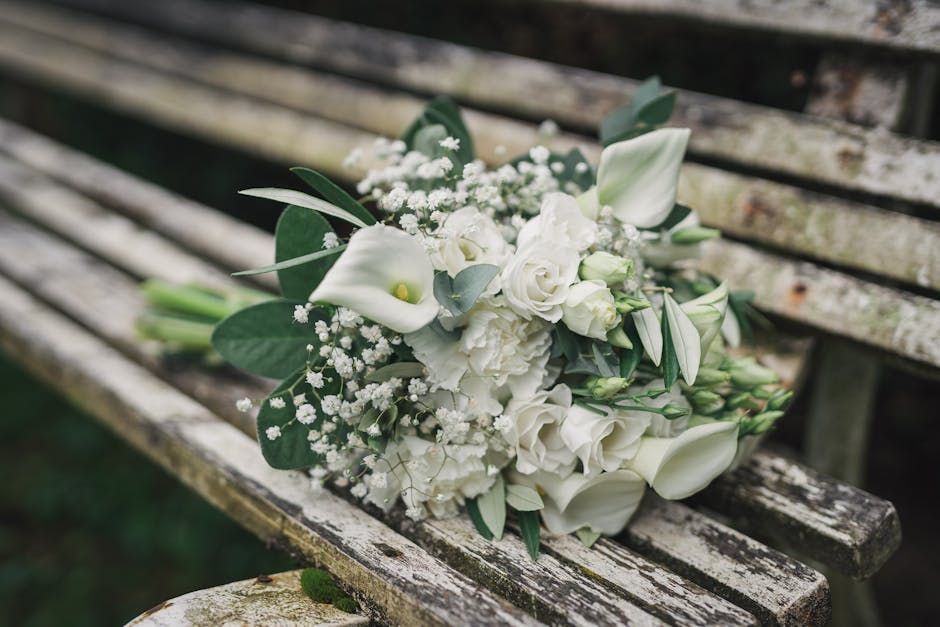
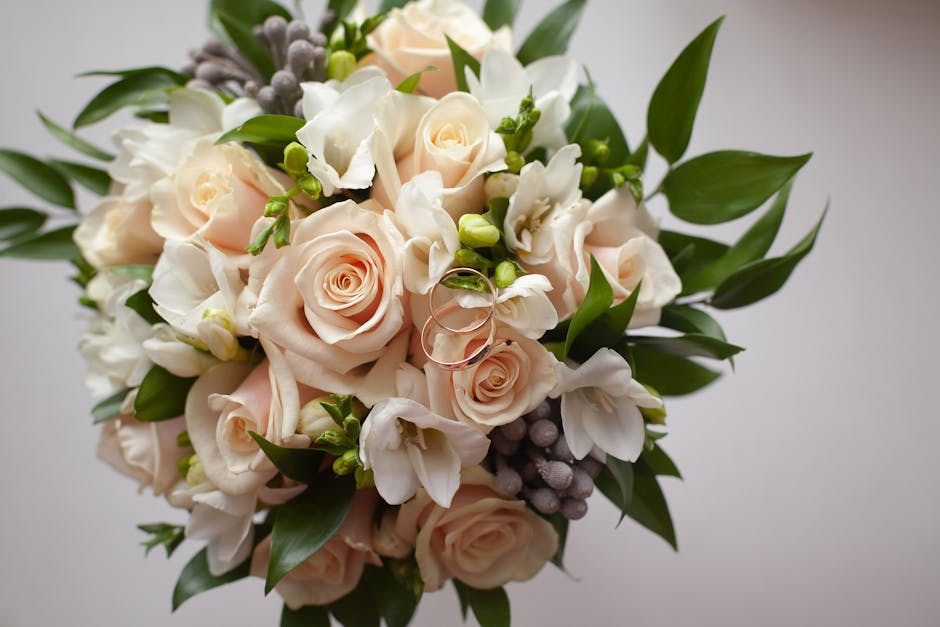
What to know before hiring a London wedding florist
Planning wedding flowers in London can feel delightfully exciting right up until you start comparing quotes, venue rules, seasonal stems, and delivery timings all at once. If you are asking yourself what to know before hiring a London wedding florist, you are already ahead of the game. The right florist does much more than arrange pretty blooms; they help translate your ideas into something that works in a real venue, on a real schedule, and within a real budget. That matters in London especially, where traffic, venue access, loading restrictions, and tight turnaround windows can affect everything.
This guide walks through the practical side of hiring a wedding florist in London: what to check, what to ask, how the process usually works, where costs can creep in, and which mistakes tend to catch couples out. It is written to help you make a calm, informed decision rather than a rushed one. Because truth be told, flowers are one of those wedding details that look effortless when they are done well. The behind-the-scenes work is anything but.
Contents
- Why this matters
- How hiring a London wedding florist works
- Key benefits and practical advantages
- Who this is for and when it makes sense
- Step-by-step guidance
- Expert tips for better results
- Common mistakes to avoid
- Tools, resources and recommendations
- Law, compliance, standards, or best practice
- Options, methods, or comparison table
- Case study or real-world example
- Practical checklist
- Conclusion
- Frequently asked questions
Why What to know before hiring a London wedding florist Matters
Wedding flowers are rarely just decoration. They shape the mood of the day, tie together the colour palette, and often appear in the photos you will keep returning to for years. In London, they also need to work around the city itself. A florist who knows how to deliver into a central venue at a sensible hour, manage narrow access points, or coordinate with an events team can save you a lot of stress.
That is why understanding the hiring process matters. You are not only choosing a style; you are choosing a supplier who needs to be reliable, organised, and realistic. A beautiful proposal on paper can still fall apart if it ignores venue restrictions, flower seasonality, or transport logistics. And yes, that can happen even with a very charming portfolio.
There is another reason this decision deserves attention: floristry budgets can shift quickly when the brief becomes more complex. Tall ceremony installs, hanging pieces, extra candles, aisle meadows, and table clusters all sound wonderful until you see how the numbers stack up. Knowing what to ask early makes the conversation much easier.
How What to know before hiring a London wedding florist Works
Most London wedding florists follow a fairly similar process, although the details vary from studio to studio. It usually starts with an enquiry or consultation, then a discussion about your venue, date, colour palette, guest count, and inspiration images. From there, the florist should build a proposal that matches your brief and your budget, often with suggested flower choices based on season and availability.
After that comes the refinement stage. You might adjust quantities, swap certain flowers, or rethink installation pieces once you see the price breakdown. A good florist will not just say yes to everything. They should explain what is practical, what is seasonal, and what will actually hold up on the day. In our experience, the best conversations sound less like a sales pitch and more like a design discussion with someone who understands how weddings work in the real world.
Closer to the wedding, the florist confirms timings, access arrangements, setup requirements, and any venue notes. On the day itself, they handle prep, delivery, installation, and often de-rig or collection as well. If your wedding involves multiple locations, the logistics become even more important. London does not always forgive a loose schedule. Traffic, loading bays, and venue handover windows can turn a small delay into a bigger one very quickly.
Key Benefits and Practical Advantages
Hiring the right florist is about more than having beautiful bouquets in the photos. There are practical gains that make the whole planning process easier, especially when you are managing a wedding in a busy city.
- Better design cohesion: A florist can connect your ceremony, tables, bouquet, buttonholes, and entrance styling into one visual story.
- Less stress: A clear supplier who knows the sequence of the day takes pressure off you and your planner.
- Smarter budget use: An experienced florist can suggest where to make an impact and where to scale back without losing the look.
- Seasonal guidance: They can steer you towards blooms that are available, fresh, and more cost-effective.
- Venue awareness: London venues often have rules about timings, access, open flames, floor protection, or installation points. A local florist is more likely to know the drill.
There is also a quieter benefit that people sometimes overlook: confidence. Once your florist has the brief, confirmed the plan, and explained how they will execute it, you can stop second-guessing every decision. That peace of mind is worth a lot in the weeks before the wedding.
Who This Is For and When It Makes Sense
This guide is for couples who want wedding flowers that feel personal, polished, and practical. It is especially useful if you are:
- planning a wedding in London and need to account for venue logistics
- comparing florists and trying to understand what makes one quote better than another
- trying to balance style ambitions with a realistic budget
- wondering whether to choose a full-service wedding florist or buy flowers in a more limited way
- working with a venue that has specific access, timing, or display rules
It also makes sense if you are still early in the planning stage and want to avoid the classic mistake of booking flowers too late. Popular florists can be reserved well in advance, especially during spring and summer. If your date sits in one of those busy windows, getting clear on your needs early is simply sensible.
One small London reality check: if your ceremony and reception are in different areas of the city, it is worth thinking about travel time as part of the floral plan. A beautiful arrangement means very little if it arrives in a panic.
Step-by-Step Guidance
- Define your vision. Gather a few images, but do not worry about building a perfect mood board. A colour direction, seasonal preference, and overall feeling are often enough to start.
- Work out your priorities. Decide what matters most: bouquet design, ceremony feature pieces, reception tables, or a statement installation. Not every element needs to be oversized.
- Check your venue rules. Ask what the venue allows for setup times, access, candles, hanging florals, confetti, and floor protection. These rules can affect the design.
- Request a detailed quote. A good quote should show what is included, what is not, and whether delivery, setup, or breakdown are extra. If something is vague, ask. Vague is where budgets go to wobble.
- Review flower choices for the season. Seasonal stems are usually easier to source and tend to look fresher. Your florist should explain any substitutions clearly if specific blooms are unavailable.
- Ask about setup logistics. Will the florist need early venue access? Is there parking? Can they unload nearby? These details matter more than people expect.
- Confirm communication and timeline. You want to know when final decisions are needed, when payments are due, and who your main contact will be.
- Lock down the day-of plan. Make sure someone understands where each arrangement goes and who is available to answer questions if needed.
A simple way to think about it: style first, then logistics, then cost. In practice, those three things all talk to each other. Ignore one and the others get messy.
Expert Tips for Better Results
If you want better results from your florist conversations, a little preparation goes a long way. The aim is not to arrive with a spreadsheet that could frighten a small army. Just be clear enough that your florist can do real work with your brief.
Be specific about mood, not just flowers
Instead of asking for "peonies and roses," describe the feeling you want. Soft and romantic? Architectural and modern? Lush and garden-like? That helps the florist build something coherent even if exact blooms change with the season.
Use venue photos, not only Pinterest
Your florist needs to understand the actual space. A long banquet table in a room with low lighting feels very different from a bright orangery or an old townhouse ballroom. A few venue shots are often more useful than a dozen random inspiration images.
Ask what they would do with your budget
This is a brilliant question. It shows you are open to expertise, and it often leads to much better advice than saying, "Can you make everything look expensive?"
Talk about scale honestly
Some couples love an abundant look but do not need every surface filled. Others want one or two standout elements that carry the whole event. A skilled florist can help you spend where the impact will actually be seen.
Do not ignore scent
It sounds small, but it matters. Certain flowers have a stronger perfume than others, and that can be lovely or overwhelming depending on the space and guest mix. If anyone is sensitive to fragrance, mention it.
And a slightly cheeky but true observation: if a proposal looks suspiciously perfect and impossibly cheap, it usually deserves a closer look. Floristry is lovely, not magical.
Common Mistakes to Avoid
Most problems with wedding flowers are preventable. Usually they come down to timing, assumptions, or not asking enough questions early enough.
- Booking without checking venue rules: Some spaces have strict policies on hanging items, candles, adhesives, or setup windows.
- Assuming every flower is available all year: Seasonal availability changes, and imported blooms can be sensitive to supply conditions.
- Not asking what the quote includes: Delivery, installation, collection, rental items, and design time may all be separate.
- Focusing only on bouquet size: A small bouquet can look stunning, while a large one can be awkward to hold or visually disconnected from the rest of the design.
- Leaving decisions too late: By the time final details are needed, popular florists may be booked and preferred flowers may no longer be available.
- Forgetting the practical end of the day: If arrangements need to be moved, gifted, or dismantled, plan that before the wedding rather than after guests have started asking who is taking home the centrepieces.
To be fair, none of these mistakes is dramatic on its own. But combined, they can turn a smooth plan into a stressful one. Small things add up in weddings. They just do.
Tools, Resources and Recommendations
You do not need special software to hire a florist well, but a few simple tools help enormously:
- Wedding mood board: A shared folder or saved image board with colours, shapes, and venue inspiration.
- Guest count and table plan: This affects how many arrangements are needed and the scale of each one.
- Venue information pack: Ask your venue for access times, loading instructions, restrictions, and setup contacts.
- Budget range: A realistic range is more useful than a wish. Honest numbers lead to better proposals.
- Supplier contact list: Keep your florist, planner, and venue manager in one place so no one is chasing messages at the wrong time.
If you want to understand other parts of floral ordering and timing, the broader information on flower delivery and the practical guidance in delivery can be helpful too, especially if your wedding includes separate addresses or timed drop-offs. For couples who like to think ahead about aftercare, the advice on flower care is useful for keeping arrangements fresh during the event and beyond.
For readers who want to understand the company background and approach, the about us page gives useful context. And if you are comparing service standards, the information on guarantees and sustainability can help you judge whether the florist's values match your expectations.
Law, Compliance, Standards, or Best Practice
Wedding floristry in London is not usually about heavy regulation in the way some industries are, but there are still important practical standards to consider. Venue rules, access permissions, fire safety expectations, waste handling, and delivery timings all matter. If flowers will be placed in public-facing spaces, on shared property, or in a venue with strict management, the florist should be prepared to work within those rules.
It is sensible to ask whether the florist is used to working with London venues and whether they have experience with setup constraints such as narrow entrances, concierge arrangements, loading bays, or limited lift access. That is especially relevant in central areas and heritage buildings where the room for error is small.
You may also want to ask how the florist handles breakage, substitutions, and damaged stock. Best practice is clear communication rather than assumption. If something changes, you should be told early and in plain English. No nonsense, no mystery.
On the environmental side, practices vary. Some florists prioritise locally sourced flowers, foam-free mechanics, reusable vessels, or responsible disposal methods. If that matters to you, ask directly. The same goes for end-of-day collection and any floral waste generated by large installations. For a related practical angle, the article on what to do with large floral waste after a London event is a useful read if your wedding will produce a lot of stems and structural material.
Options, Methods, or Comparison Table
Not every couple needs the same type of florist service. The right choice depends on budget, scale, and how much support you want. Here is a simple comparison to make the options easier to weigh up.
| Option | Best for | Strengths | Trade-offs |
|---|---|---|---|
| Full-service wedding florist | Couples wanting design, sourcing, setup, and on-the-day coordination | Most cohesive result, less stress, stronger venue handling | Usually higher cost and more planning lead time |
| Partial-service florist | Couples who want some bespoke pieces but are handling simpler elements themselves | Flexible and often more budget-conscious | Requires more coordination and clear handover points |
| Pickup or delivery-only flowers | Smaller weddings or couples with venue staff/planners handling setup | Can reduce costs, simpler order structure | Less design support, more responsibility on the couple |
| Styling-led florist with installations | Design-focused weddings with statement displays | High visual impact, strong atmosphere | Can be logistically complex and cost more quickly |
If you are not sure which route suits you, ask the florist what they would recommend for your venue and guest count. A good one will not push the most expensive answer. They will help you choose the right level of service for the event you are actually having, not the one social media thinks you should have.
Case Study or Real-World Example
Imagine a couple planning a late-spring wedding in central London. They love soft white flowers, greenery, and a garden feel, but their venue has a short access window, narrow loading space, and a very firm rule about setup finishing before guest arrival.
At first, they want large table centres, an arch, aisle markers, bouquet flowers, and a full floral backdrop for photographs. Lovely idea. But once the florist maps everything against the schedule, it becomes clear that the installation time would be too tight unless the design is simplified. Instead of forcing the issue, the florist suggests a more efficient plan: a strong ceremony feature, compact but elegant table arrangements, and statement bouquet work that photographs beautifully. Fewer elements, better executed.
The result? The room still feels lush, the couple keeps control of the budget, and the setup is calm rather than frantic. Guests walk in, notice the scent of fresh stems, and the whole place feels polished without looking overdone. That is the sweet spot for many London weddings. Not the most flowers. The right flowers, in the right places, at the right time.
Practical Checklist
Use this checklist before you commit to a florist. It is simple, but it catches a surprising number of issues.
- Have I confirmed my wedding date and venue details?
- Do I know what style or feeling I want the flowers to create?
- Have I set a realistic floral budget range?
- Do I understand what is included in the quote?
- Have I checked whether delivery, setup, and collection are included or separate?
- Have I shared the venue access information and any restrictions?
- Do I know which flowers are seasonal around my wedding date?
- Have I asked what substitutions might be made if a stem is unavailable?
- Is there a clear payment schedule and booking process?
- Do I know who to contact if something changes before the wedding?
- Have I thought about what happens to the flowers after the event?
If you can tick most of those off, you are in a good position. Not perfect. Good enough to make smart choices, which is what matters.
Get a free quote today and see how much you can save.
Conclusion
Hiring a London wedding florist is not only about finding someone who makes beautiful arrangements. It is about finding a professional who understands your venue, your budget, your timeline, and the practical realities of a wedding day in the city. The best florist will listen carefully, suggest sensible alternatives, and help your ideas become something elegant and achievable.
If you remember just one thing, let it be this: the right florist does not simply sell flowers. They solve problems quietly, so your day feels easy. That is the real value. And when everything comes together - the scent, the colour, the little details catching the light - you will be glad you chose with care.
Take your time, ask the awkward questions, and trust the florist who answers clearly. That calm, grounded decision tends to bloom into the best result.
Frequently Asked Questions
How far in advance should I book a London wedding florist?
Ideally, book as early as you can once your venue and date are confirmed. Popular dates, especially in spring and summer, can fill up well ahead of time. If you are planning in London, earlier is usually better because logistics and venue access can affect scheduling too.
What should I ask before hiring a wedding florist?
Ask what is included in the quote, whether delivery and setup are separate, what happens if flowers are unavailable, and whether they have experience with your venue type. Those are the questions that reveal how the florist works in practice.
How do I compare florist quotes properly?
Compare more than the final price. Look at the number of arrangements, flower quality, delivery, setup, collection, and whether vessels or accessories are included. A lower quote is not always better if it leaves out the parts that matter on the day.
Do wedding florists in London handle venue setup?
Many do, but not all. Some offer full installation and breakdown, while others provide delivery only. Always check. In a city venue, setup support can make a big difference, especially where access windows are tight.
Can I request specific flowers for my wedding?
Yes, but the florist may advise substitutions based on season, availability, and budget. It is best to talk about the style and feeling you want rather than insisting on one exact bloom if it may be hard to source.
What affects the cost of wedding flowers the most?
Scale, flower choice, installation complexity, labour, delivery logistics, and event timing all affect cost. In London, access and travel time can matter more than people expect. A simple design in a difficult venue can still take a lot of work.
Should I choose seasonal flowers for my wedding?
Seasonal flowers are often a smart choice because they are usually fresher, easier to source, and more cost-effective. They also tend to look natural in the season rather than forced. That said, your florist can help you mix seasonal and requested stems if needed.
What if my venue has strict rules?
Tell the florist early. Venue rules can affect everything from setup timing to hanging displays and candle use. A florist experienced with London venues should be comfortable working within those limits and advising you on practical alternatives.
How do I know if a florist is good value?
Good value is not just low cost. It is clear communication, realistic design, reliable delivery, and a result that fits the venue and the brief. If the florist explains options clearly and helps you spend where it counts, that is usually a strong sign.
Can I reuse ceremony flowers at the reception?
Often, yes. Reusing arrangements can be a sensible way to stretch the budget, provided the florist plans for movement and timing. Ask how the pieces will be repurposed so they still look good after the ceremony.
What is the biggest mistake couples make when hiring a florist?
The biggest mistake is not asking enough practical questions before booking. A beautiful portfolio is only one part of the picture. The other part is whether the florist can deliver smoothly in your venue, on your timeline, with your budget.
Is it worth hiring a local London florist rather than someone outside the city?
Usually, yes, if local knowledge matters for your venue. A florist who understands London access, travel, and venue expectations can make planning easier. That said, the best choice is the supplier who is both creative and operationally solid for your day.